Statement Regarding Recent False AI-Generated Content Appearing Online
Connecting the Value Chain to Support Synergies between Ecology and Development
As a diversified conglomerate spanning hospitality, property, transportation, and tourism, we are dedicated to continuously strengthening climate resilience and delivering long-term value for our stakeholders. Building on this commitment, environmental governance is fully embedded in the Group’s sustainability framework, with the Sustainability Steering Committee, chaired by the Group Executive Chairman, providing strategic direction and oversight while the dedicated Sustainability Taskforce Team drives implementation, progress monitoring, and stakeholder engagement to foster operational excellence and innovation.
In 2025, we advanced this commitment by launching five measurable environmental targets aligned with our five key material topics (Sustainable Buildings, Materials and Waste, Climate Change, Energy Consumption, Nature), while achieving landmark green building certifications and implementing targeted operational initiatives across our portfolio.
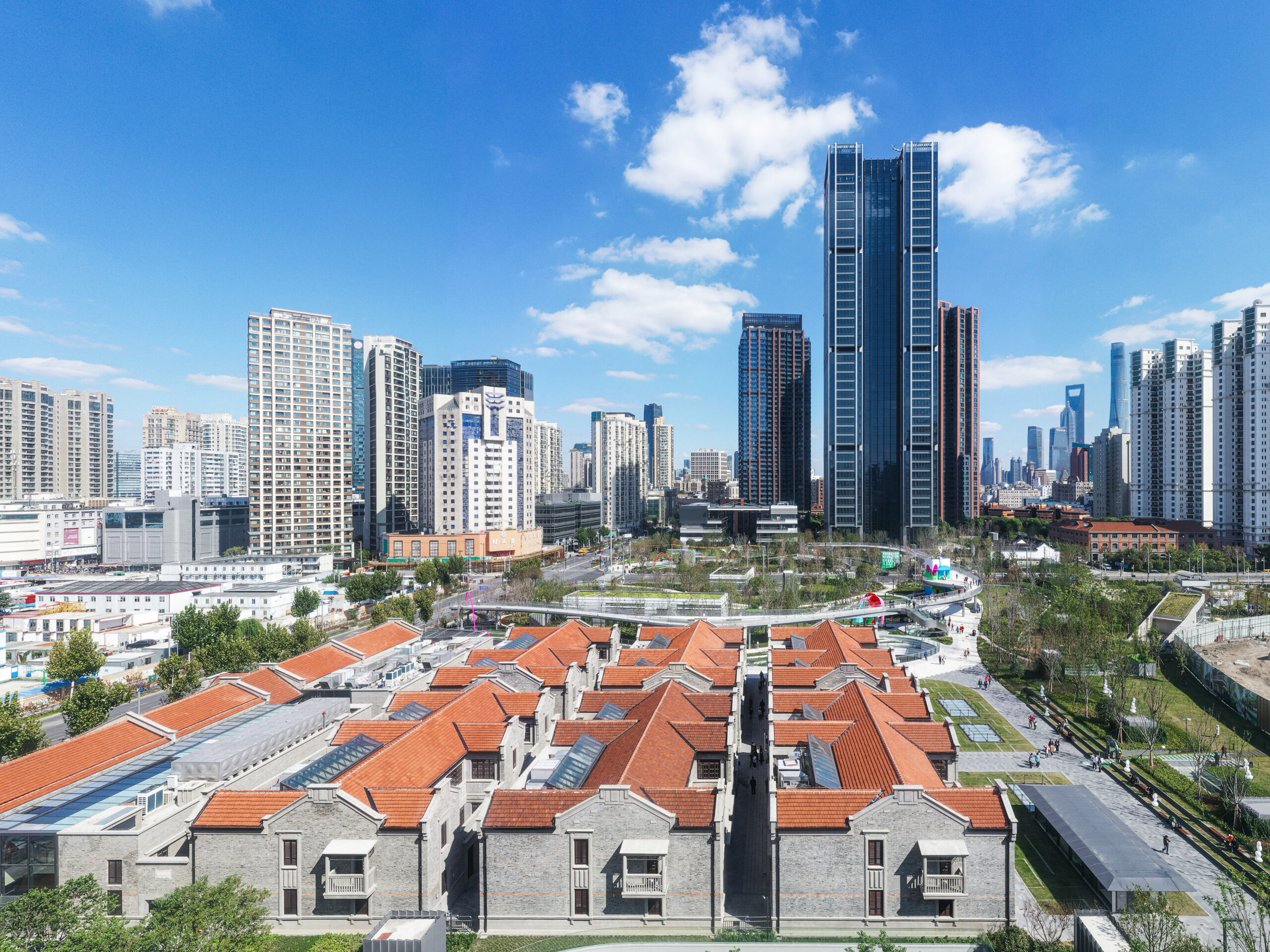

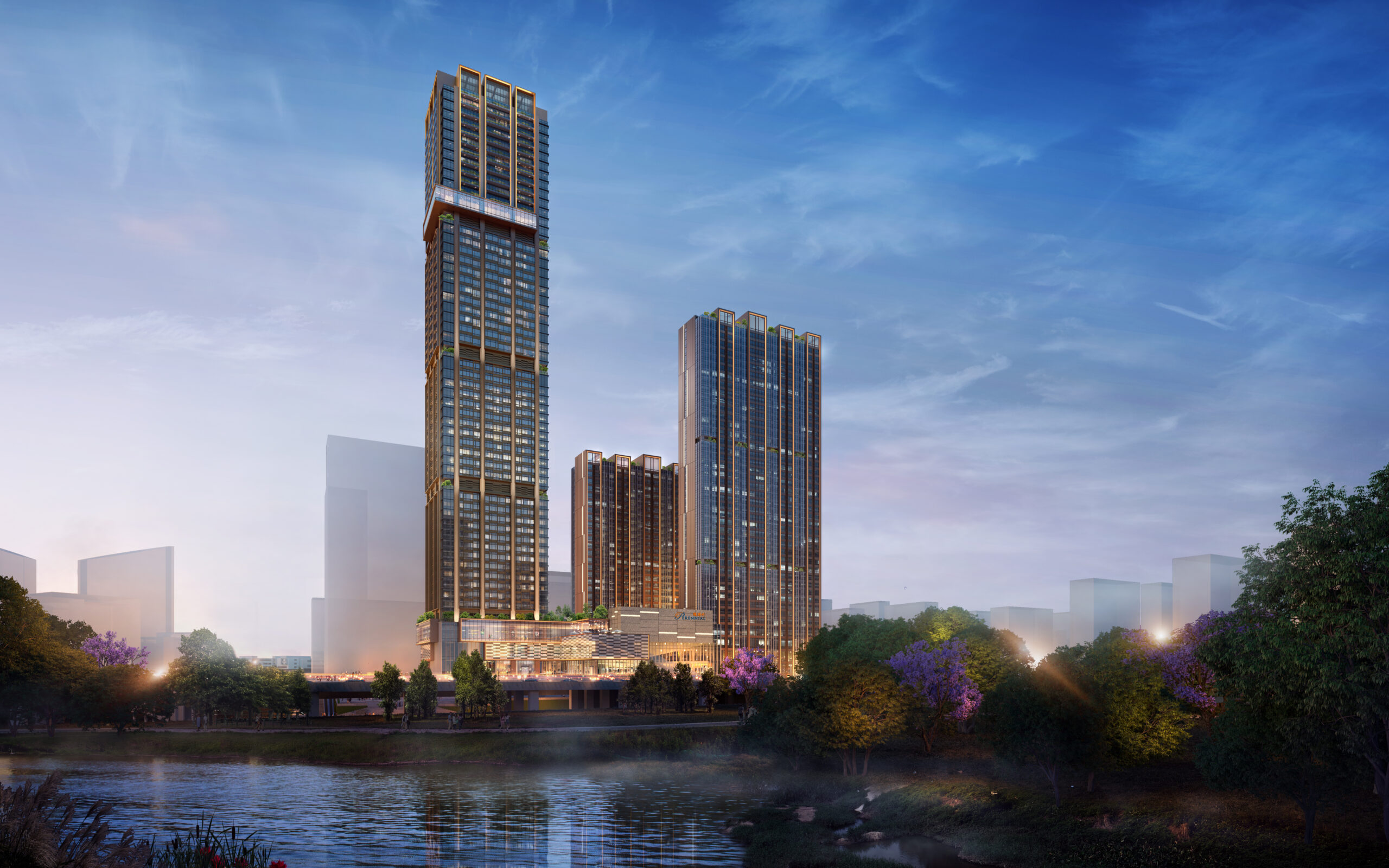
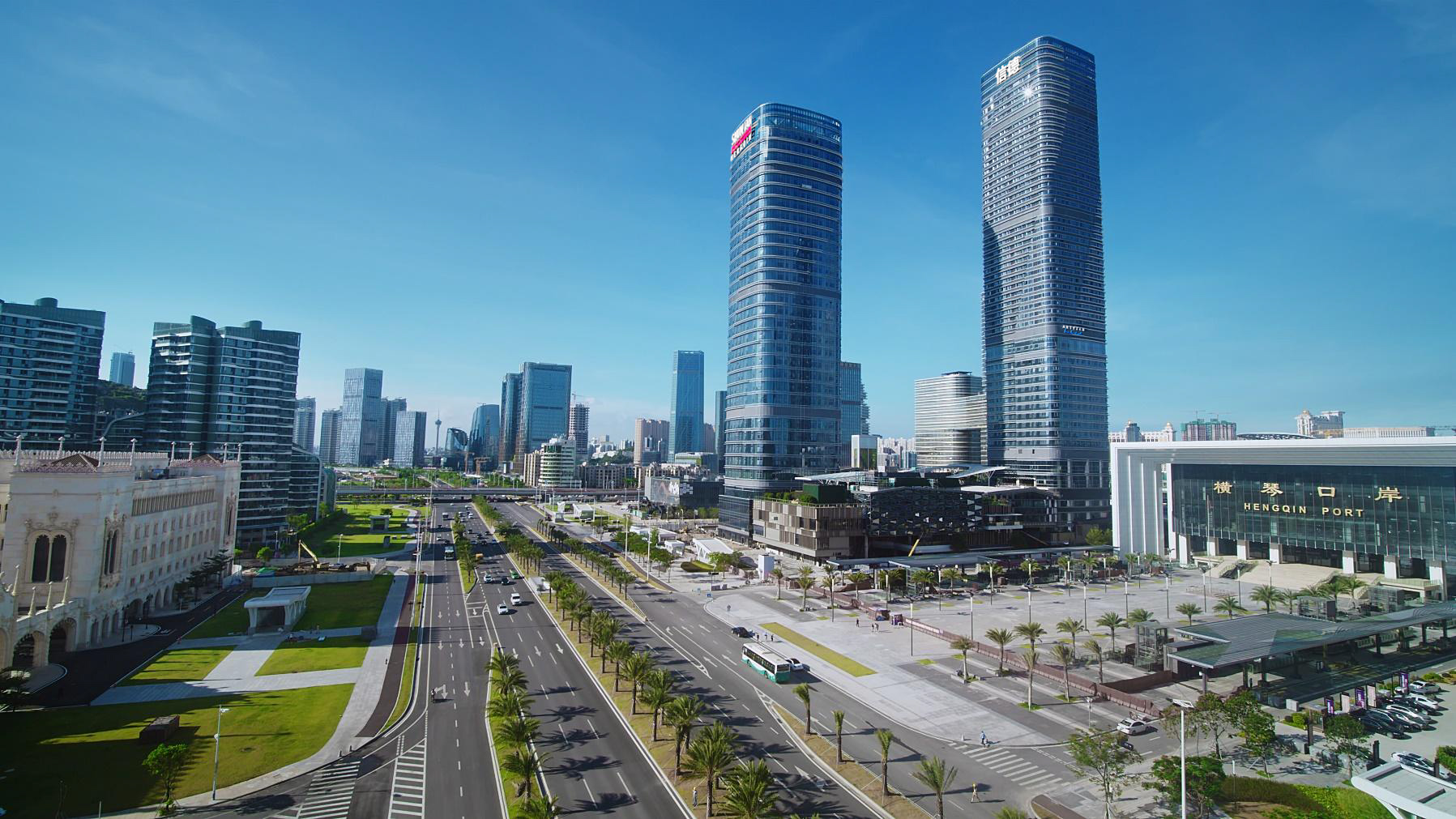
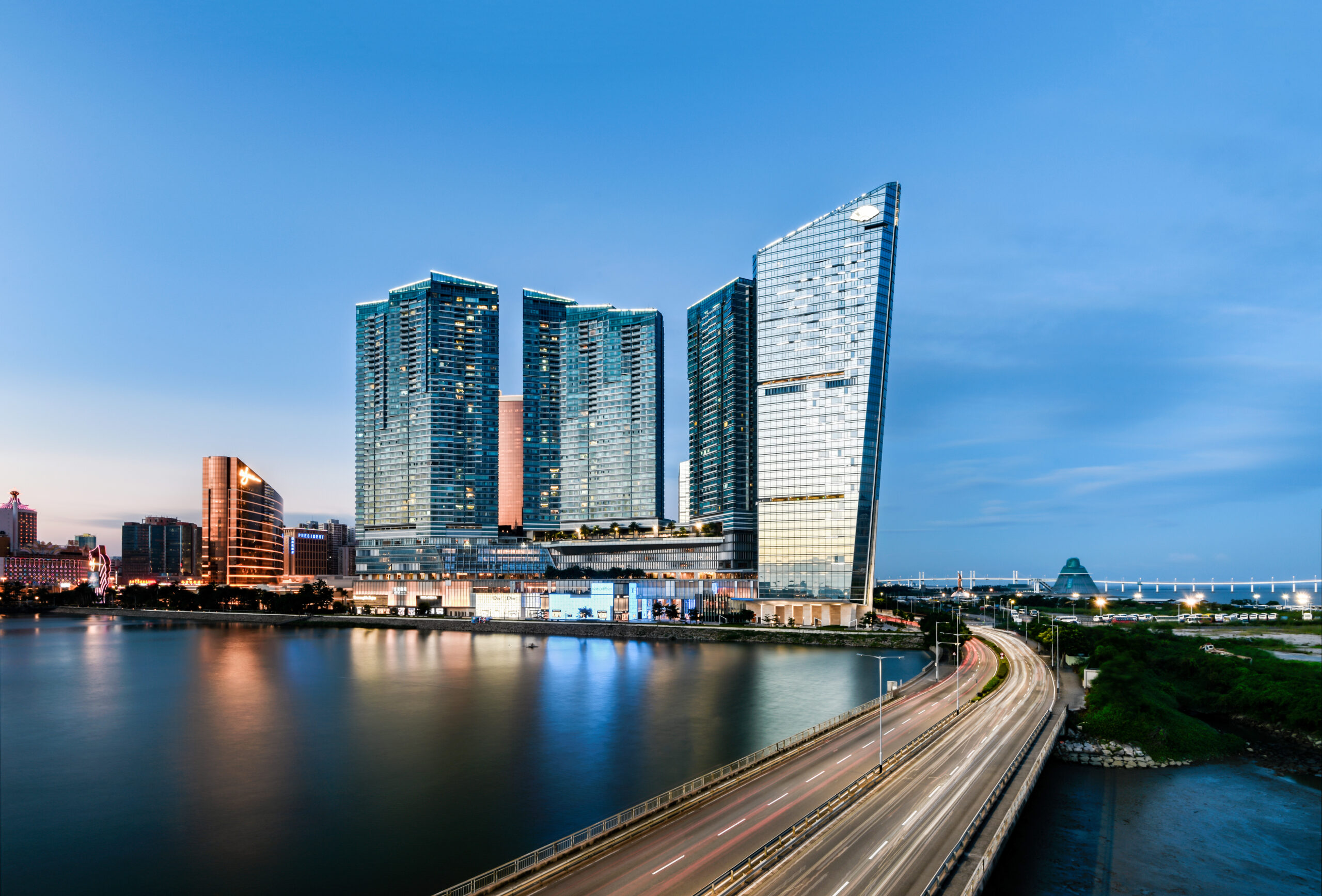

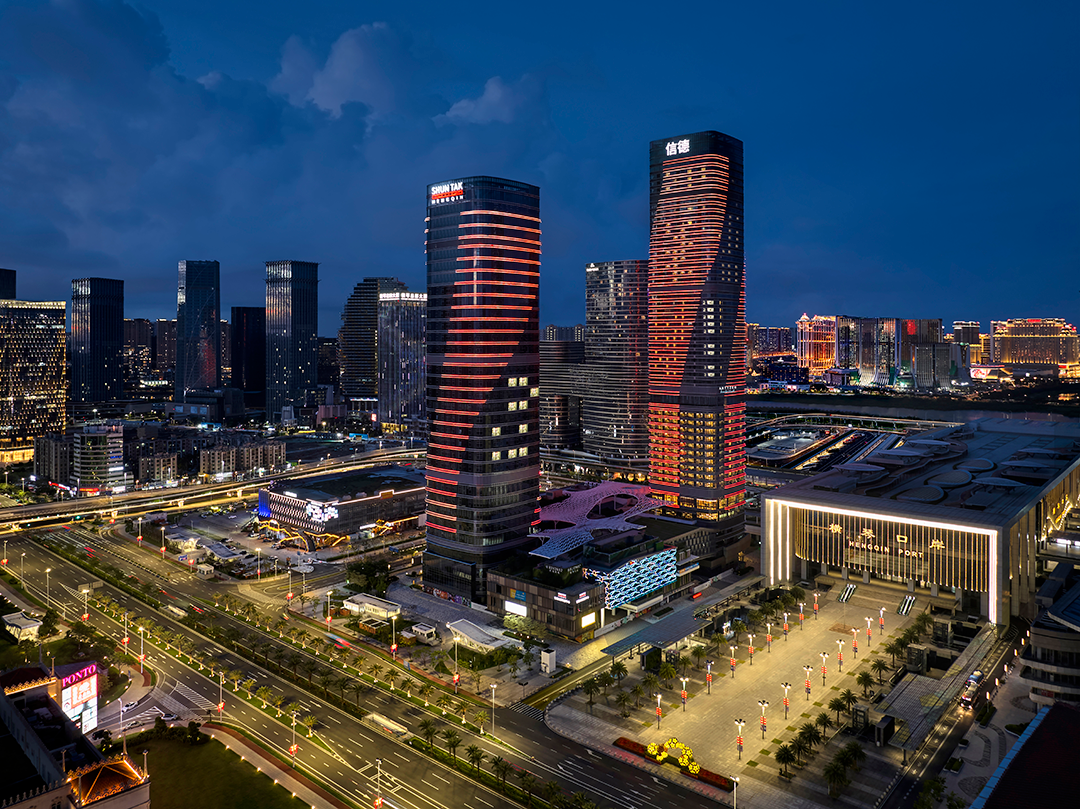
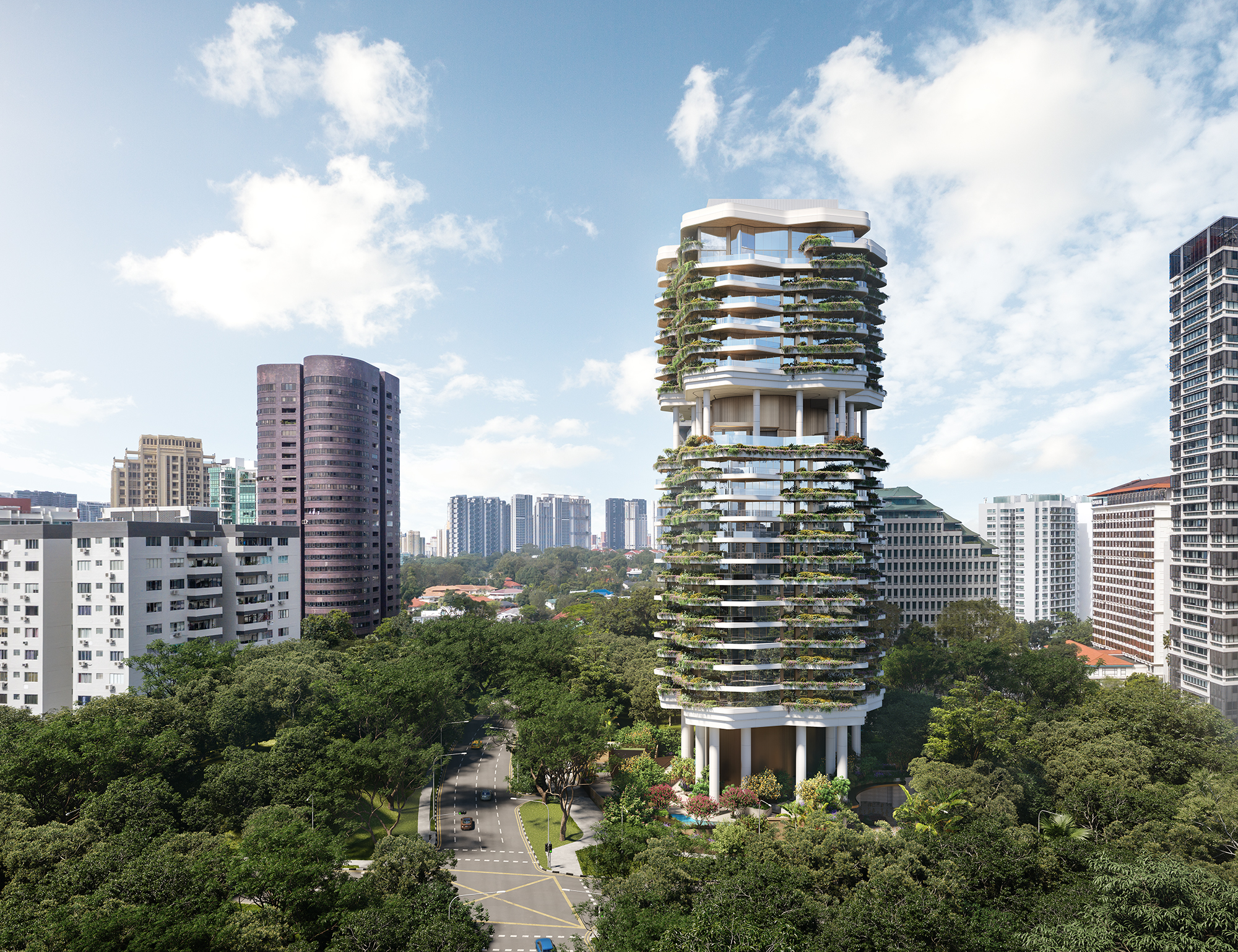
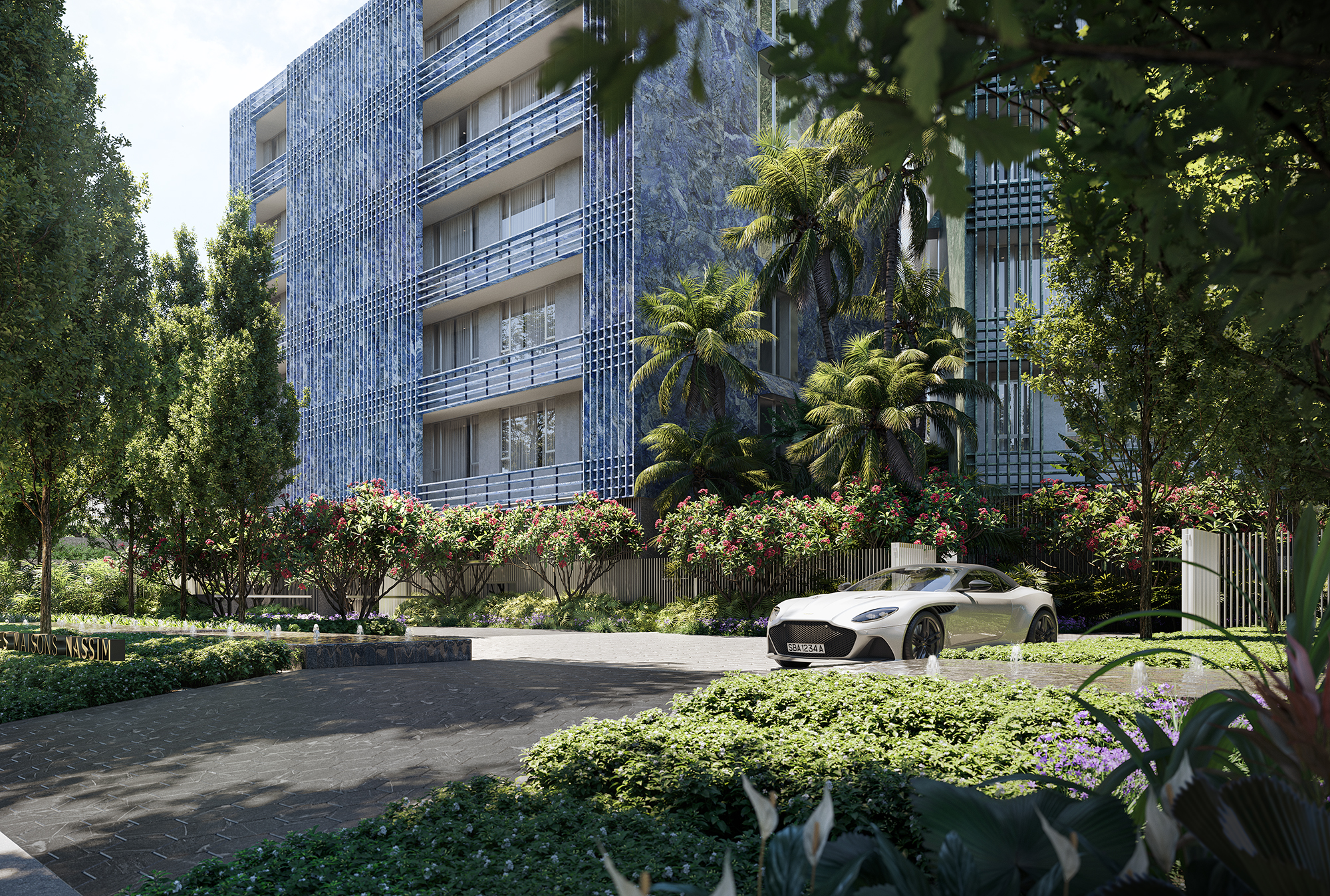
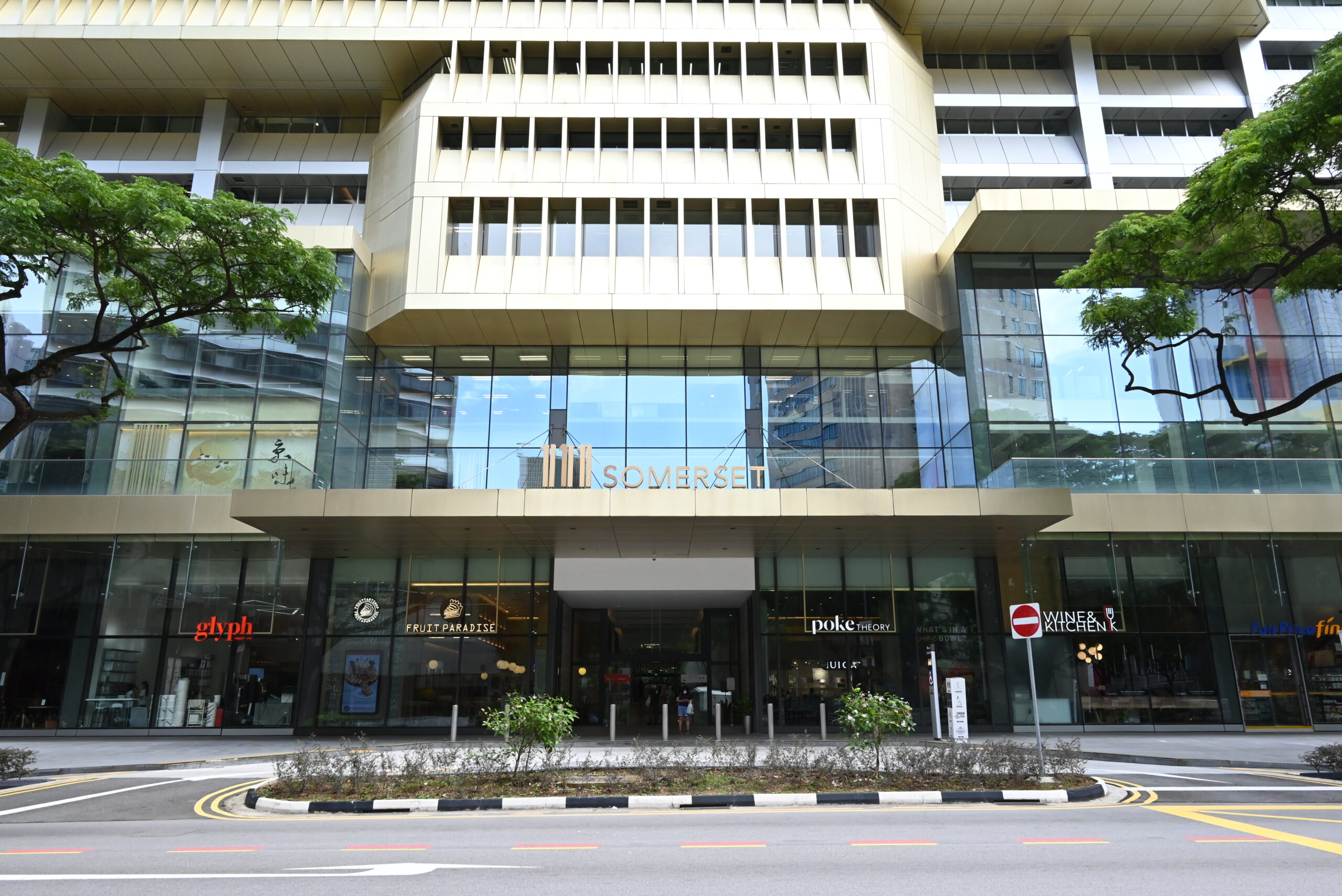
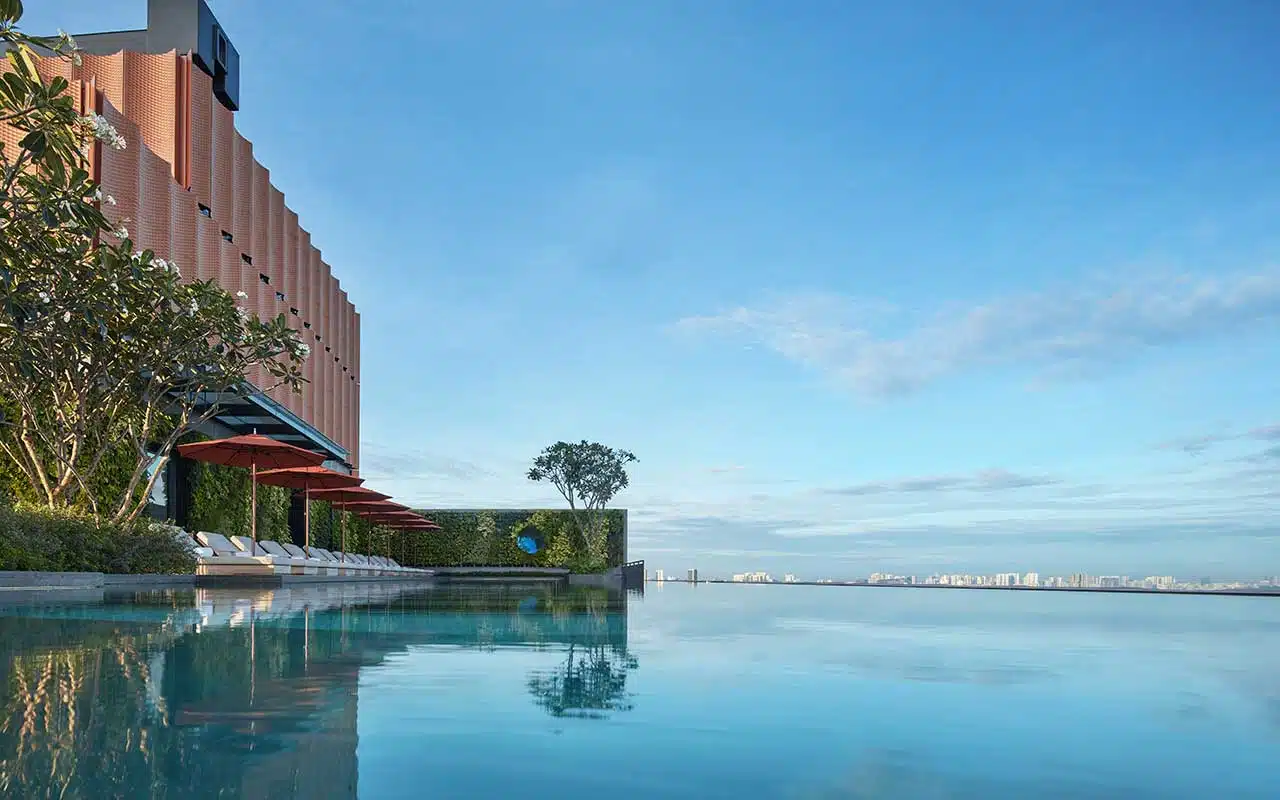
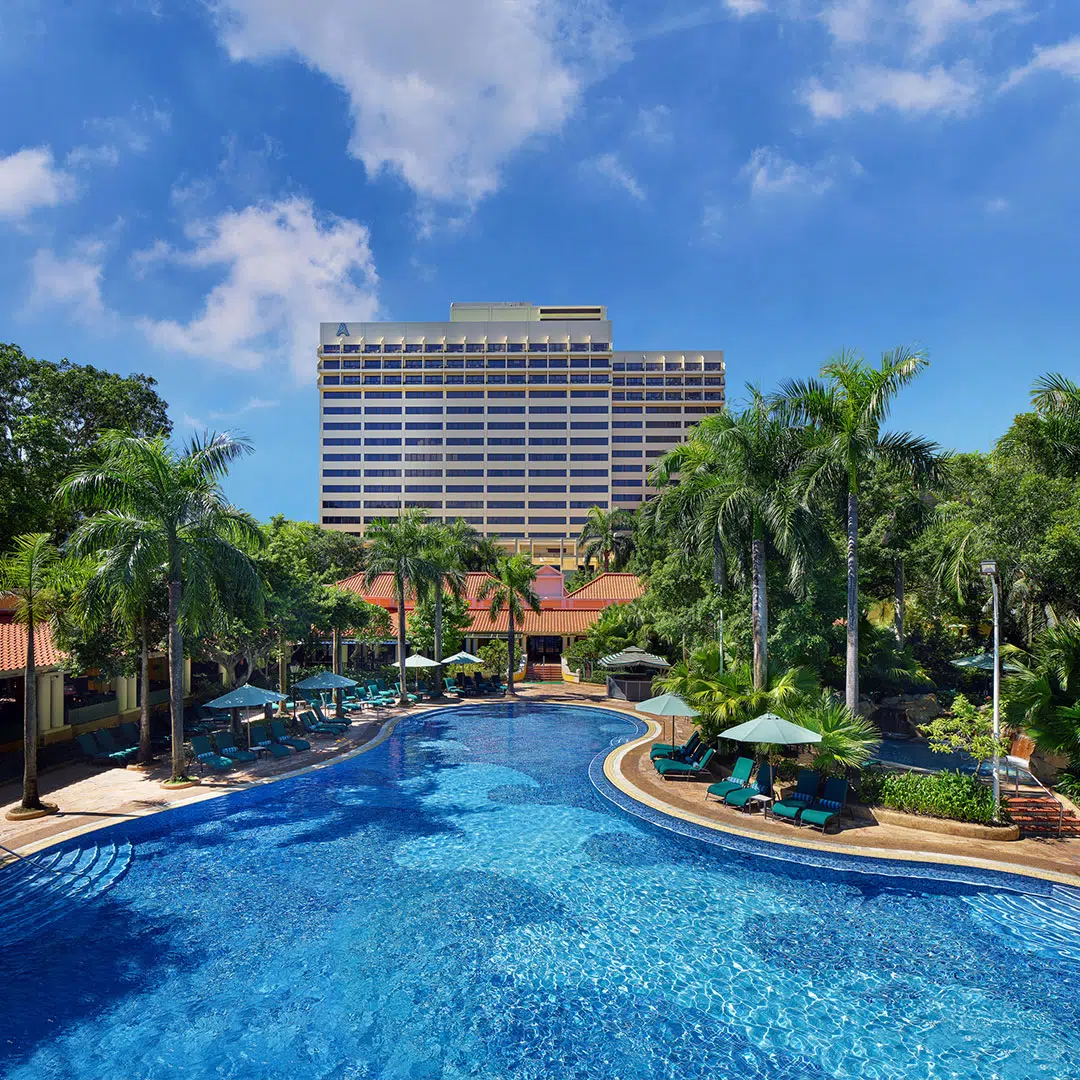
In 2025, two hotels under the Artyzen Hospitality Group portfolio received green building certifications, a recognition for the Group’s long-standing commitment to green operations and a strong testament to the effective implementation of our sustainability strategy across our hotel business.
Artyzen Grand Lapa Macau successfully secured LEED Gold (Building Operations and Maintenance (O+M)), becoming the first hotel in Macao to earn this certification and adding a pivotal achievement to our sustainability portfolio.
Across the border, Artyzen Habitat Hengqin Zhuhai is awarded the “Five-Leaf Grade China Green Hotel” certification – the highest rating under the national GB/T 21084-2007 standard, jointly initiated by six ministries, ncluding the Ministry of Commerce and National Development and Reform Commission.
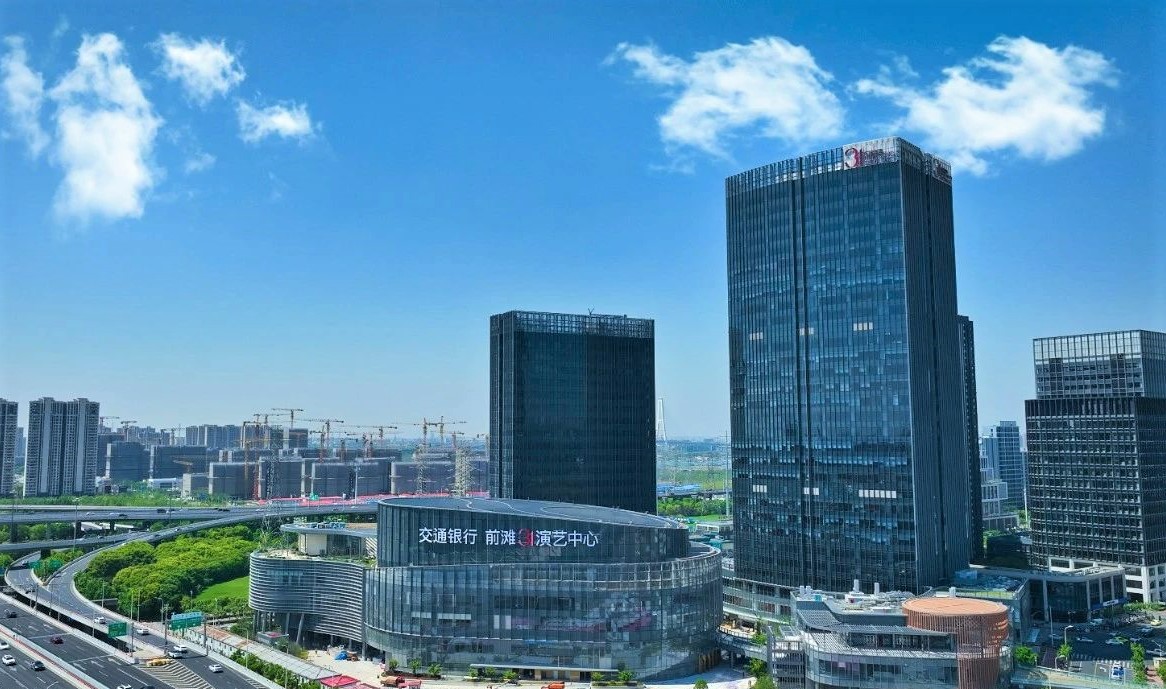
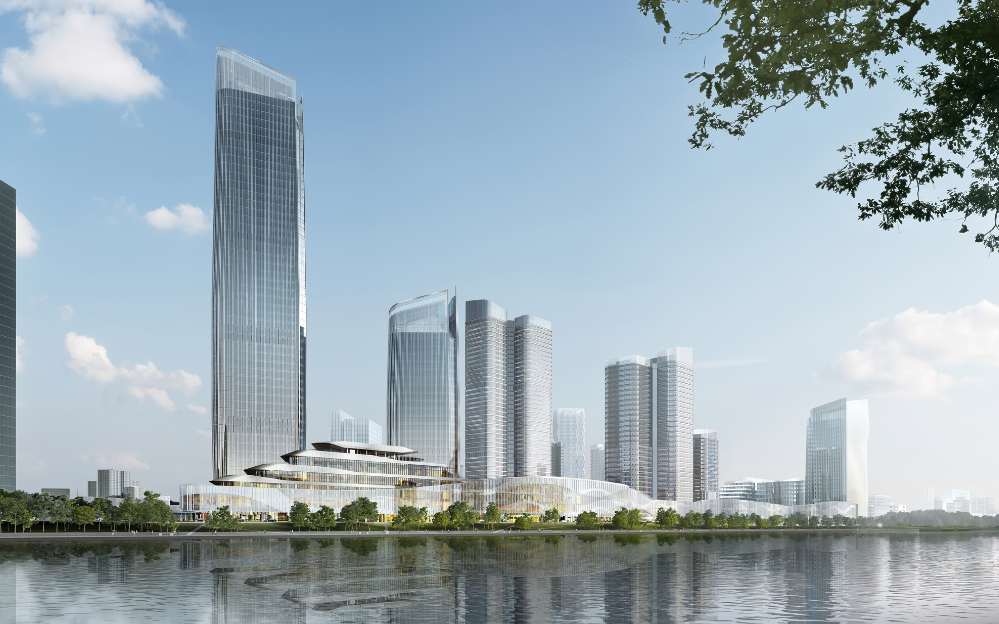
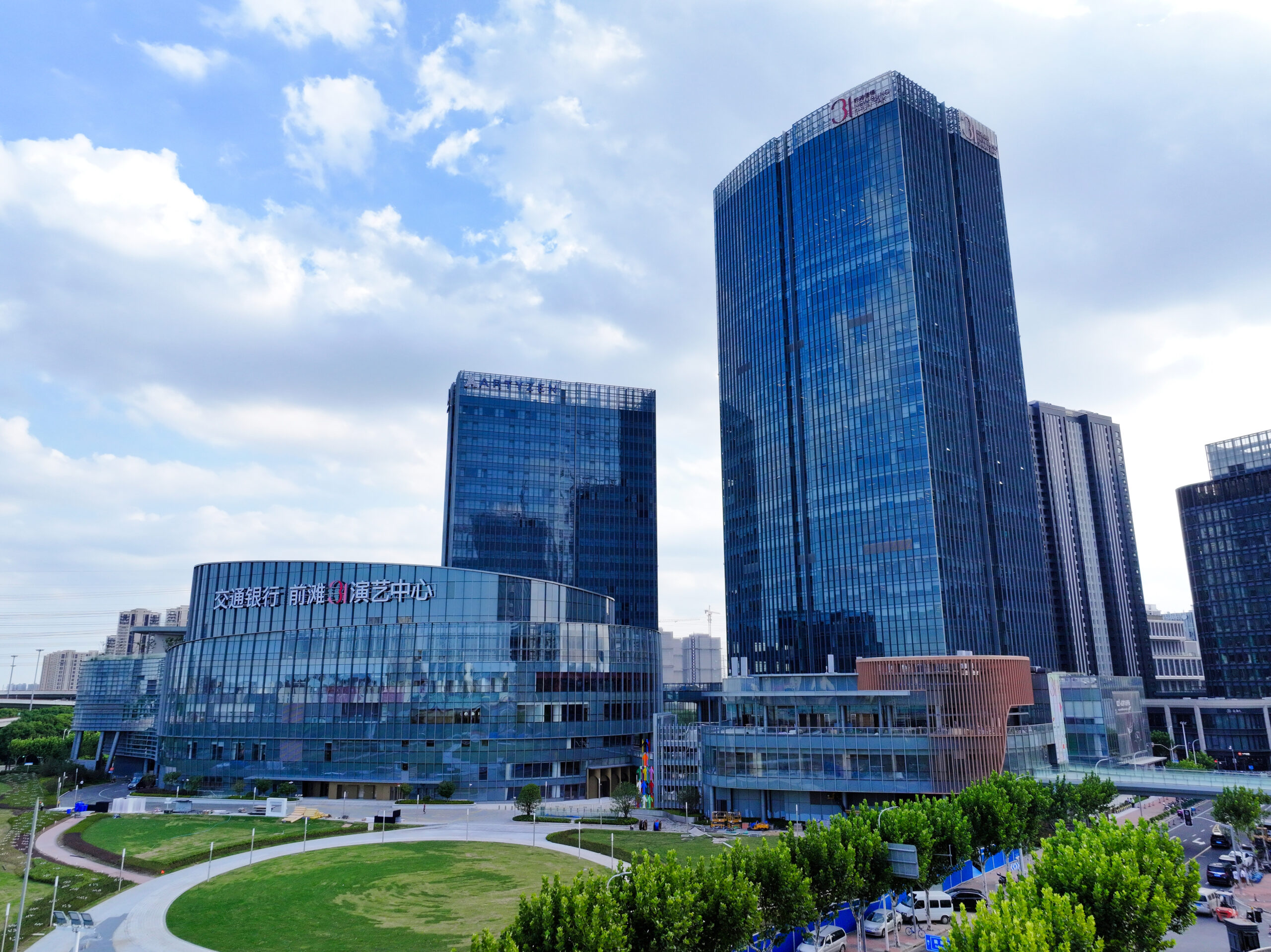
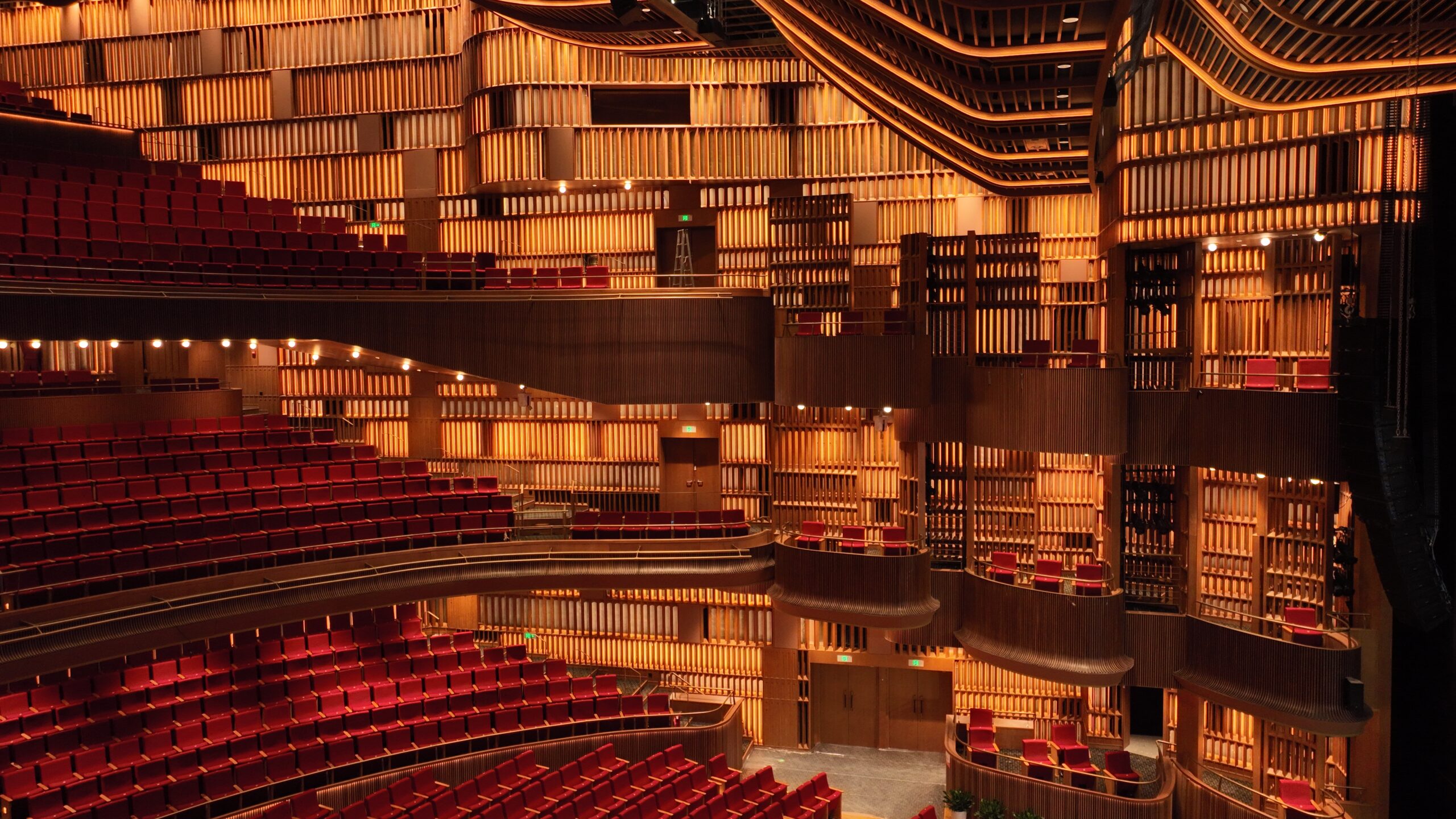
NEW BUND 31, situated in Shanghai’s Qiantan district, is a flagship mixed-use development featuring office spaces, a performing arts center, a hotel, and retail facilities. We have incorporated various green building features into the project’s design, enabling it to earn the LEED Gold Certi cation and the highest 3-star rating under the China Green Building Design Label Scheme. This case study showcases the climate resilience measures integrated into its design and construction phases, addressing climate challenges such as heat stress, flooding, water scarcity, and energy efficiency.
In response to global warming and urban heat stress, the project has employed advanced thermal comfort simulations, such as Computational Fluid Dynamics (CFD), to optimize energy efficiency in key areas such as the theater. Reflective materials and extensive greenery were also adopted to reduce heat absorption. Meanwhile, green technologies such as Building Automation Systems (BAS) and Thermal Energy Storage (TES) for air conditioning systems were implemented to minimize energy consumption, thereby reducing carbon emissions.
To address flood risks from extreme rainfall and rising sea levels, over 50% of the site incorporates permeable paving, which reduces surface runoff and mitigates flooding; while its roof garden and vegetated structures enhance water retention and improve aesthetic value; and critical building entrances and structures are elevated above projected flood levels, ensuring resilience during floods.
Water scarcity is addressed through a comprehensive management system comprising water-saving faucets and pipe network leakage prevention measures, such as water shutoff valves, which significantly reduce water wastage. The rainwater harvesting system is integrated with a smart irrigation system, covering 100% of the total green area. This efficient integration significantly reduces reliance on freshwater resources.
Efficient use of energy and materials is a key focus in the design, with an advanced monitoring system optimizing HVAC, lighting, and water supply systems. The solar water heating system supplements hot water supply, reducing reliance on conventional energy sources and lowers the project’s carbon footprint. Sustainable construction practices have been adopted, including the use of prefabricated components, highly durable materials, and pre-cast concrete. This aims to enhance efficiency, reduce material wastage and lower air pollution during material mixing on-site.
NEW BUND 31 exemplifies the integration of climate-resilient design and technology into urban spaces. By skillfully balancing environmental responsibilities with business appeal, this urban development project showcases the potential for a triple win — effectively addressing climate challenges without compromising functionality or aesthetics.
We acknowledge the critical importance of efficient resource usage in mitigating the impacts of climate change. Therefore we actively promote the efficient use of natural resources and energy across both our new development projects and existing operations. By prioritizing energy and water conservation measures, we can contribute significantly to reducing our environmental footprint. Building upon proven results from past energy-saving and water-saving projects, we have formulated strategic plans to further optimize resource consumption.
We prioritize responsible material use and strict compliance with environmental regulations across all operations and construction projects. Through robust environmental management systems, we monitor performance, adopt best practices, and work with qualified contractors to handle hazardous materials safely. By going beyond compliance, we aim to prevent contamination and protect both the environment and surrounding communities.
Nature awareness in operations is an important principle guiding both our transportation, and hospitality and leisure sectors, underscoring our commitment to sustainability and environmental stewardship. In transportation, we prioritize eco-friendly practices, such as monitoring and controlling wastewater discharge and air emissions, to reduce our impact on natural ecosystems. Within hospitality, we focus on natural view integration, avoidance of land contamination to protect and enhance biodiversity. By embedding nature-consciousness across these sectors, we aim to balance operational efficiency with our responsibility to sustain the planet for future generations.